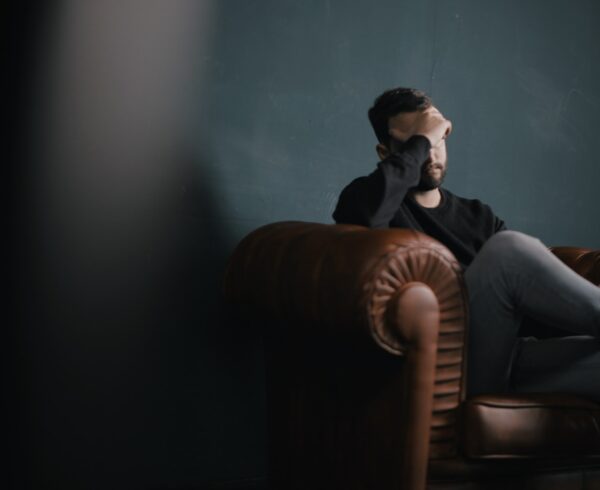
Stress can be immobilizing, and it can negatively affect many aspects of our lives. When faced with challenges such as stress at school or family issues, and especially the uncertainty of COVID-19, we tend to fall back on reliable crutches,such as: food, alcohol, procrastination, avoidance, overreacting, arguing and/or even nail-biting—even though we know they’ll likely make us feel worse in the long run.
Departure from our normal routines, and being stuck at home all day, while coping with the added COVID-19 stress has a tendency to prompt bad habits to resurface as a way of managing feeling “out of control” or in an effort to try to manage some aspect of our lives. We like to have control over something. The vices begin innocent enough until they become firmly rooted in our method of managing uncomfortable emotions.
Here are some common crutches with suggestions for doing things differently during the pandemic and into the future:
Habit 1: Use of alcohol and other substances to manage stress
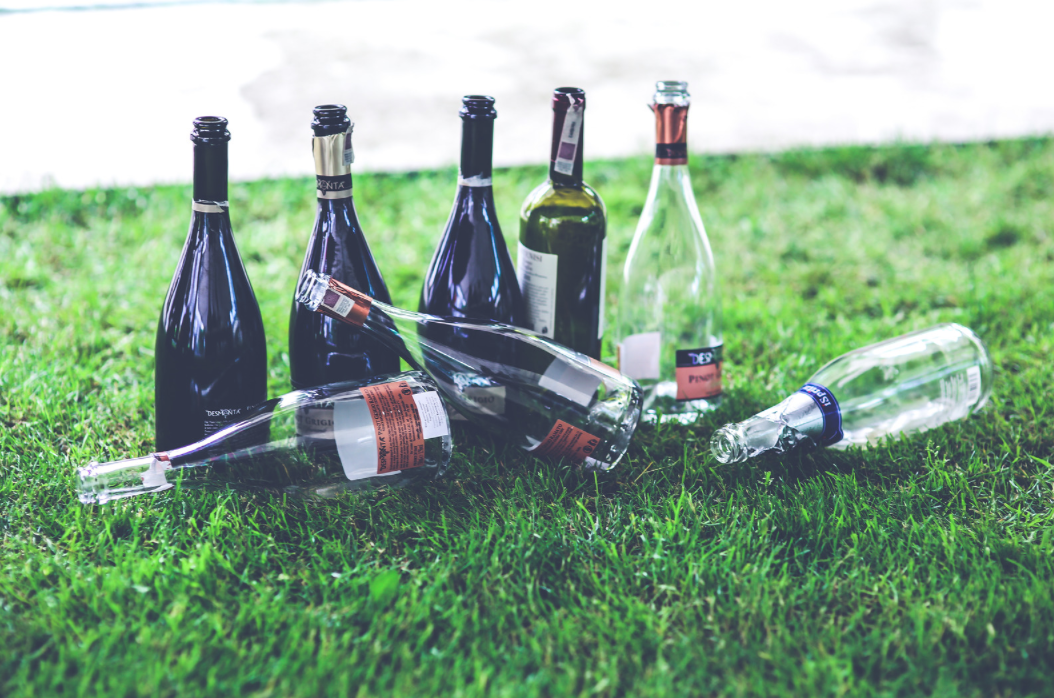
Getting drunk is basically an avoidance strategy. You’re not properly confronting the issues that are making you feel stressed in the first place. Yes, COVID-19 in itself is a major stressor. But the other issues, like fears for the economy, potential job loss and layoffs or people becoming ill that you know are also stress provokers.
There’s some truth to the idea that alcohol can reduce stress. Alcohol is a sedative and a depressant that affects the central nervous system. At first, drinking can reduce fears and take your mind off of your troubles. It can give you a boost in mood and may make you feel generally relaxed. There is a downside though–alcohol is a depressant, which means it slows down the brain and the central nervous system’s processes. So, while alcohol may help deal with stress in the short term, in the long run it can contribute to feelings of depression and anxiety and make stress even more difficult to manage.
What to do instead:
The fitness community has adapted well to support exercise habits through virtual workouts. The issue comes in finding motivation to workout at home. Schedule this time in your day and take actions that help you adhere to it. If you’re working from home, try standing at your desk, or setting a reminder to stretch or walk every hour. Even these little actions are cumulative throughout the day and will keep us more resilient in the long-run.
If you do decide to have a drink, dinner-only drinking with a small glass of something with your meal rather than as soon as it turns 5 p.m.. Saving any alcohol you decide to have until later means you’re not giving yourself the entire evening to drink.
Habit #2: Panic or stress-eating comfort foods.
During times of high stress, it’s common to return to comfort foods from an emotionally soothing time in our life. These foods make us feel good by releasing neurotransmitters in the brain which interact with our mood. In the short term, this feels pretty good, but these comfort foods also tend to be high in carbs, sugar and fat–a combination the brain is wired to crave during stressful times. When stress doesn’t resolve this leads to a cycle of cravings following by crashing. Sugar slows immune function and can lead to (gut health here, something about Amare). If we have a negative environment in our inside “biome,” it can have lasting negative impacts on health.
What to do instead:
Get a handle on your habit by keeping a record. Track what you eat (or drink), when, where, how much and what happens to trigger this habit. Keeping a record helps you let go of the habit by making you more aware of what you’re doing, and that awareness then changes your thinking. Instead of automatically indulging, stop and ask yourself whether you really want that second glass of wine or second helping of dessert.
But also be forgiving with your eating patterns and incorporate a splurge when needed. Should you snack on candy or cereal without eating a consistent structured meal? No. Could making a dessert or baking cookies with your kids later this week be a good wayto de-stress and bond? Absolutely.
Habit #3: Social media and news binges.
With more time spent at home we’ve become increasingly glued to our devices. Unfortunately, all that clicking and scrolling interacts with brain chemistry in a way that mirrors addiction. Because social media has become an easy distraction from daily life’s stress, it’s usually the first thing we pick up when we need a break from reality. Unfortunately, obsessively reading coronavirus news doesn’t help our mind health.
What to do instead:
Allow yourself to connect with friends, and maintain healthy social connections via technology but set a limit on mindlessly scrolling. Resist the urge to check on your stock portfolio—the market is not looking so hot and the deterioration of your retirement account will only make you more stressed and anxious. Put a stop to reading coronavirus news before bed if it’s something that contributes to feelings of anxiety. Physically set a timer to put down your phone after scrolling social media, the news, or whatever digital content you are using to distract yourself, and then move on to your next task.
A Post-Pandemic Mindset
We are all attempting to adjust to a “new normal” with unique stressors. If you compare yourself to your previous metric of productively and purpose, you’re likely to fall short. The ways you normally feel productive and happy may not apply right now, and that’s okay. COVID-19 brings with it many new worries but also opportunities to do things differently.