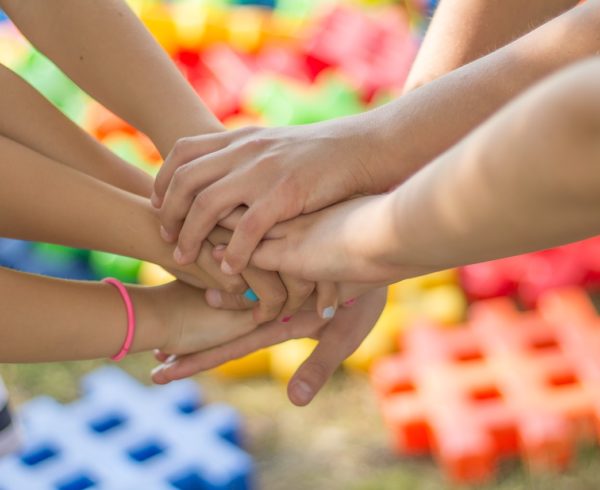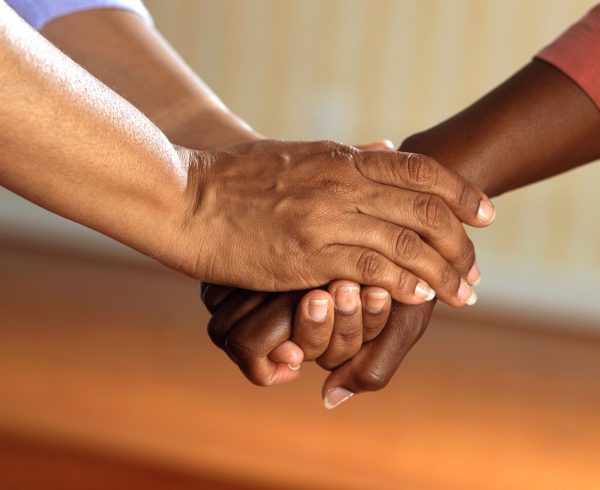
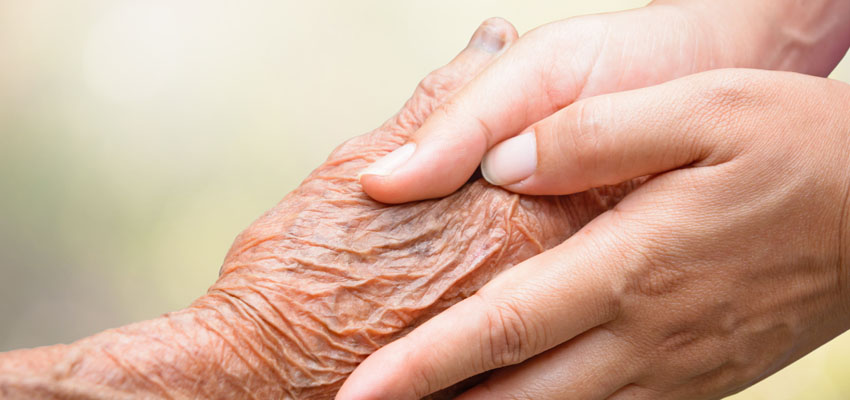
Goodness is catching–and it doesn’t take extraordinary heroics to trigger it. Simple human kindness—a teen stopping to shovel an elderly woman’s walk; someone helping a blind person cross the street; a community rallying behind a family in need—can be enough to open our hearts and inspire us to help others.1
The act of kindness can be expressed in countless ways. A warm hello said to a stranger, giving money to those in need, allowing cars to merge into traffic… all of these are acts of kindness. Kindness may be best expressed as a state of mind. With the holiday season over, and many of us feeling the effects of far-reaching world disasters and war, understanding how kindness can help is very important. People you help can see the direct result of your actions, and people who witness your gestures can be touched by what you do. From giving money and time, to the way in which you communicate with friends, family, and co-workers, the ripple effect of kindness is far-reaching.
Most people have heard it said that being kind has a profound impact on the lives of others. Few may realize that kind acts reward the individual with immediate and long-lasting emotional and health benefits. People who perform acts of kindness would agree that being kind to someone makes them “feel good.” Scientific research adds that not only does being kind make you feel good, but it also offers significant health benefits, both physically and mentally.
Psychological effects of kindness
It is commonly known that no matter how selfless certain deeds can be, they are almost inevitably followed by pleasurable, fulfilling feelings. However, altruism can be much more than that to another person—it has the potential to preserve them from many possible mental disorders, including depression or similar conditions which can affect anyone at some point in life. Kindness can positively influence a person’s point of view to change and become more positive and optimistic as well as increase general feelings of welfare and happiness.
Effects of kindness on the physical health
The abundant effects of kindness on psychological health could sound too good to be true—but the positive effect kindness can have on the physical health may sound even more unbelievable. Not only does kindness prolong the life span in general but it affects individual health issues as well. Kindness can bring a sense of richness and fulfilment to our lives, and as a bonus, promote good health and longevity.
People who are aware of the beneficial effects of kindness use it to keep their health conditions under control.2 Kindness is being utilized to improve circulation, keep high blood pressure in check, to decrease headaches, relieve back pain, and subdue the pain of lupus, arthritis and coronary heart disease, while others use it to cure a case of the blues.3 Acts of kindness produce endorphins, and endorphins create a sort of resilience to many different kinds of pain. Aside from driving away these concrete issues it improves general body functions and the immune system as well.
Why would helping others have such beneficial effects?4 Partly because helping takes our mind off our problems (i.e. reduces stress) and gets us thinking about someone else. On a biochemical level, it is believed that the good feeling we get is due to elevated levels of the brain’s natural versions of morphine and heroin, which we know as endogenous opioids. They cause elevated levels of dopamine in the brain, so we get a natural high, often referred to as “Helper’s High.”
One recent client stated: “When I came to you with chronic pain I was so stressed out that I could barely get four hours sleep at night, and I had all sorts of aches and pains. Although I tried antidepressant and antianxiety drugs nothing seemed top help. I then tried stepping outside of myself and tried doing nice things for others and I definitely felt a physical response—like almost a relaxation of muscles that I did not recognize I were tense. I can sleep well at night now and many aches and pains have disappeared.”
Kindness is contagious
When we’re kind, we inspire others to be kind, and it actually creates a ripple effect that spreads outwards to our friends’ friends’ friends. Just as a pebble creates waves when it is dropped in a pond, so acts of kindness ripple outwards, touching others’ lives and inspiring kindness everywhere the wave goes.
It would be impossible to list every way that kindness can be shown or given. Being attuned to situations where you can help almost becomes a “state of mind” or “attitude” that you can live by. Start by making a list of areas where you can help. This may include giving to a helping organization, such as a local homeless shelter, food-bank, or a national/international organization. You can even look to your community for places that could use your donations or volunteer time, such as visiting patients in a nursing home or hospital ward.
Or, for some of this writer’s favorites: start with the everyday “small and simple” things that offer surprises to others:
- Pay for the person’s order behind you in the drive-through line.
- Make eye contact with the person who rings up your groceries and really look at them when you say, “Have a really great evening. Thank you”– and mean it.
- Compliment at least 2 people every day. Mean what you say in the compliment.
- Do you know what your co-workers favorite ____ is? (Fill in the blank – breakfast muffin? Dog? Color? Sports Team? Leave them a little something on their desk. Don’t EVER tell them it was you that did it).
- You get the idea…
The implications of kindness are far reaching. Showing kindness even on a small level is a great start. Giving without expecting anything in return has its own rewards.
1 http://www.oprah.com/spirit/Doing-Good-Deeds-Natural-Highs-How-to-Spread-Kindness#ixzz2qUbucKkS
2 “Why Kindness Is Good for You”– Hay House, 2010
3 http://apps.cignabehavioral.com/web/basicsite/bulletinBoard/effectsOfHumanKindness.jsp
4 Luks, A., Payne, P (1991). The Healing Power of Doing Good. New York: Fawcett Columbine